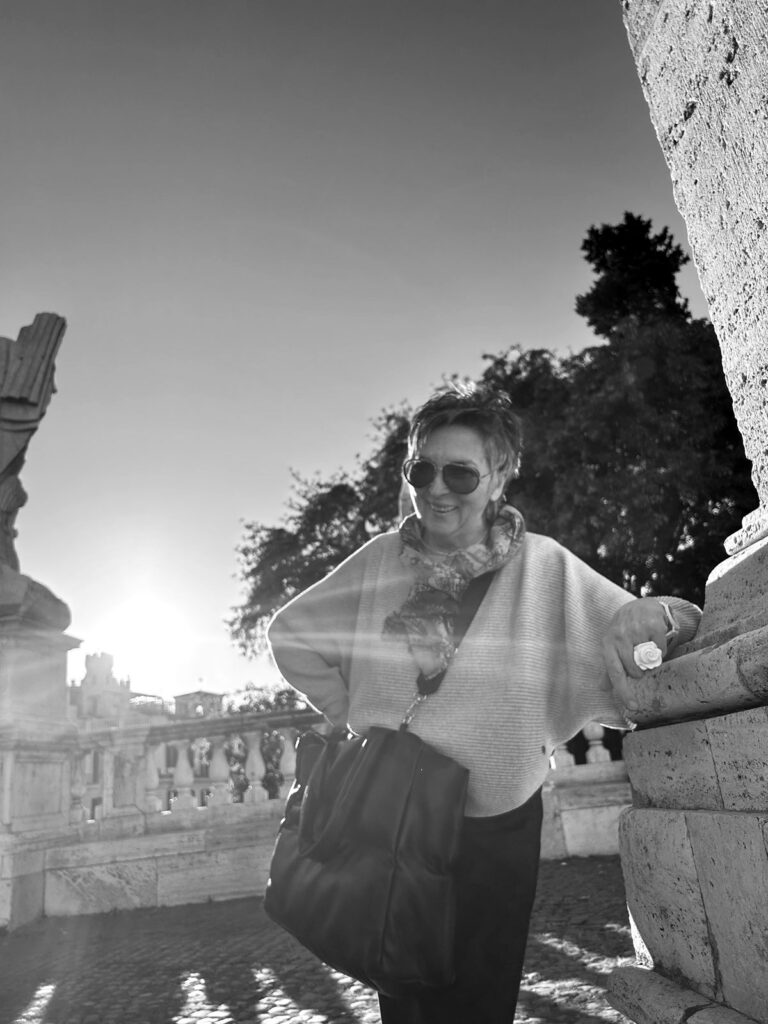
Ursula Huber
Ursula Huber was born in 1952 in Merano and today lives and works as a freelance artist in Appiano sulla Strada del Vino, South Tyrol. Her artistic path is shaped by a thorough international education and an ongoing engagement with different materials and techniques. Among other places, she studied at the Accademia di Belle Arti “Giambettino Cignaroli” in Verona and at the Art Glass Academy in Vienna under Prof. Harvey K. Littleton, and in 1986 received a scholarship for a study stay in North Carolina (USA). She completed further technical training at the Academy in Zurich under Narzissus Qualiata, Tim O’Neil and Linda Ethie, as well as in Bärnbach under Prof. Finn Lyngaard (DK).
Over the course of her artistic development, Ursula Huber established herself as both a sculptor and a painter. She earned particular recognition for her work with glass, steel, concrete and asphalt. Her pieces move between sculpture, installation, and at times video, with different media entering into dialogue with one another. A central motif in her body of work is the reduced human figure, in particular the abstracted form of the head, which she calls the “Ego.” Through a minimalist formal language, she addresses social tensions, human relationships, and questions of identity and perception.
Characteristic of Huber’s work is the connection between materiality and symbolism. She uses the properties of glass, metal and other materials to make visible fields of tension between transparency and weight, stability and change, light and shadow. Many of her often-monumental sculptures and installations unfold their effect through interplay with the surrounding space, shifting depending on perspective and the fall of light. The result is work that is at once powerful and poetic, inviting the viewer to reflect on humanity, nature and society.
Work
Contact for aqcuisition:
carteblanche@hotelaurora.bz
About
Horizon
The horizon is not a place. It is a stance. It describes a gaze that does not settle for what is given — a space fed by knowledge, culture and movement. The horizon comes into being where the known is exceeded — where thought expands and openness becomes a precondition. In this sense, the horizon is not a fixed point but a shifting structure. Drawing on Hans-Georg Gadamer, it can be understood as a space of understanding that moves with every experience. Perception is never complete; it is part of a process in which perspectives overlap and reform.
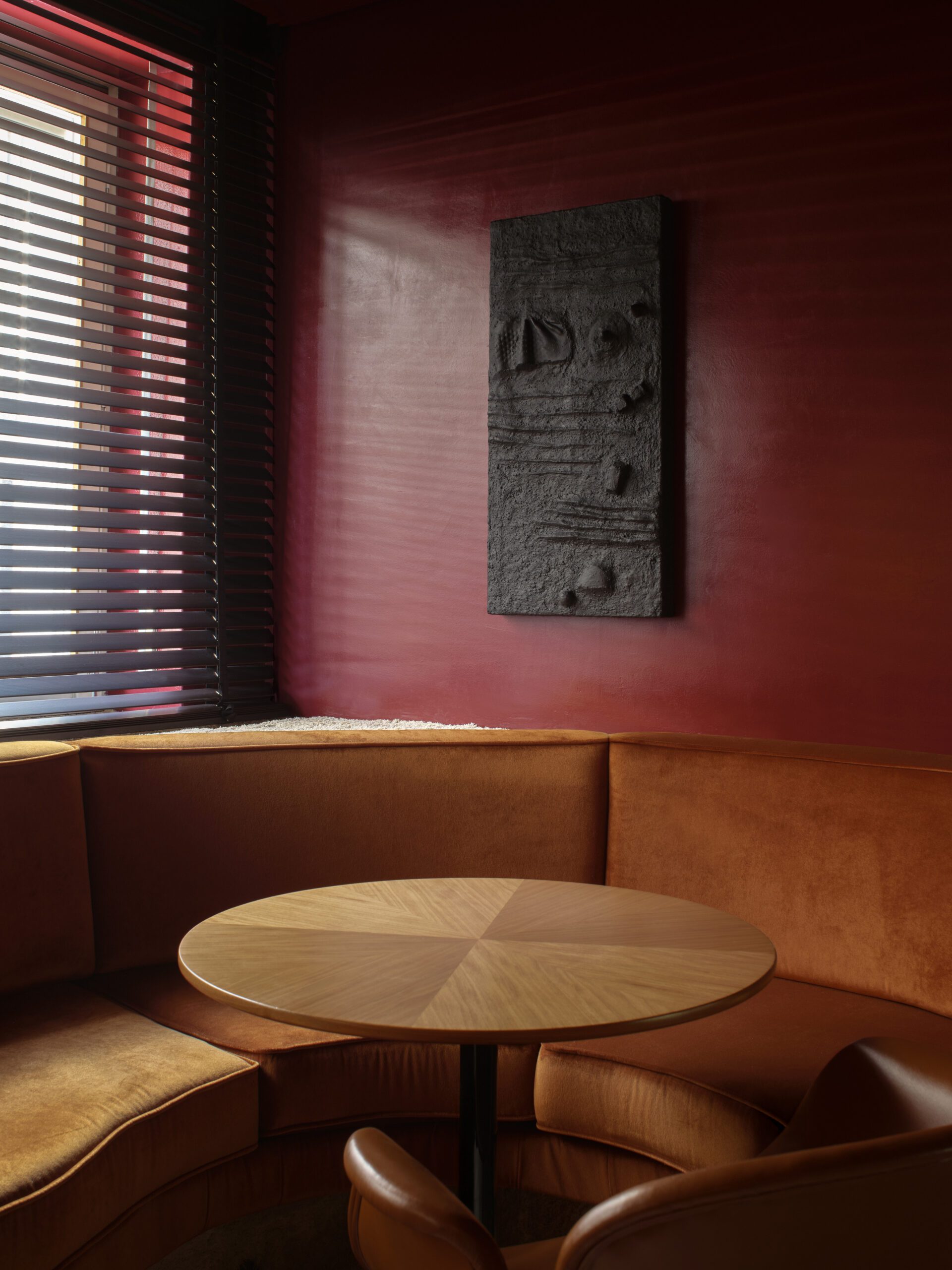
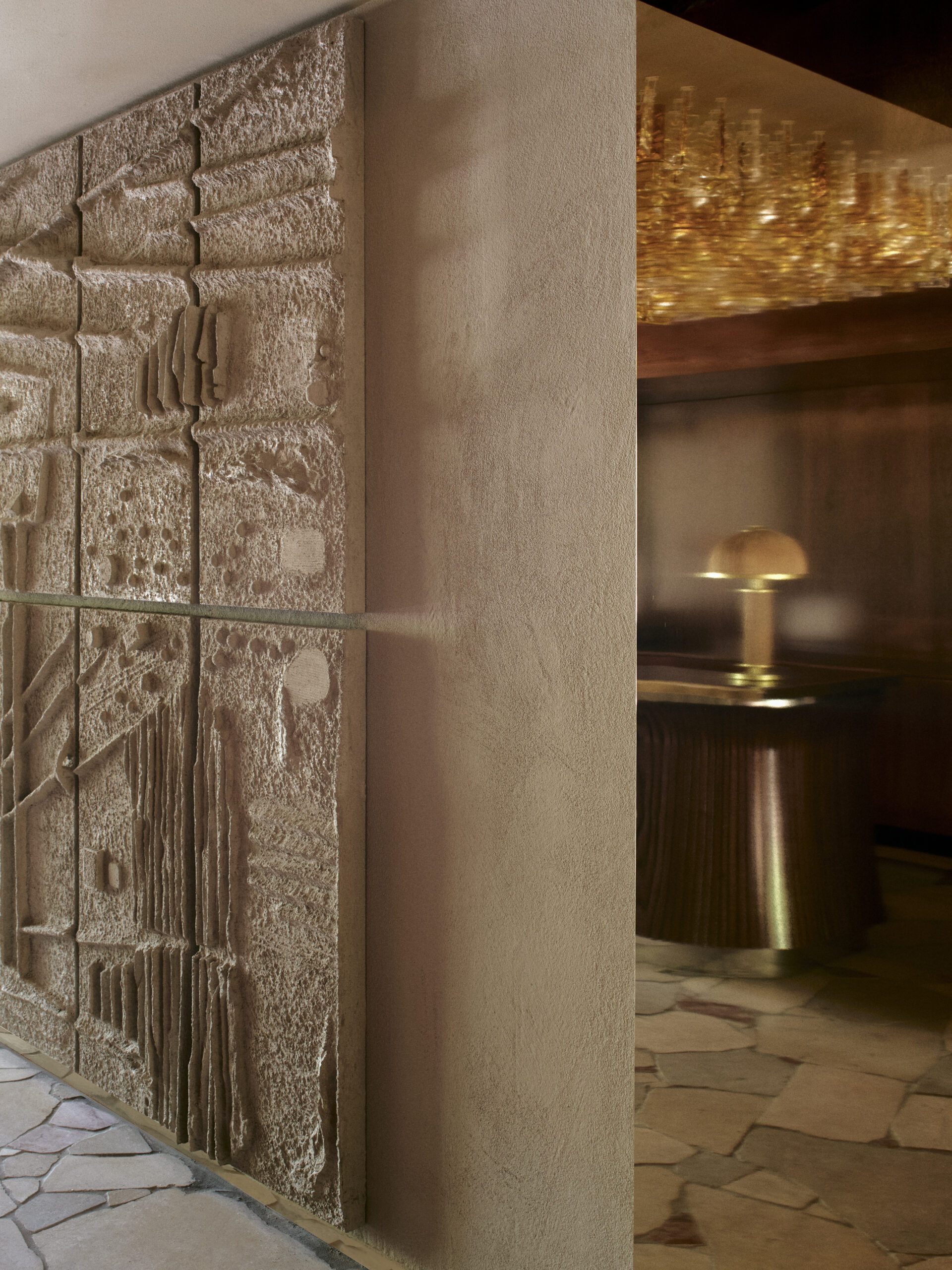
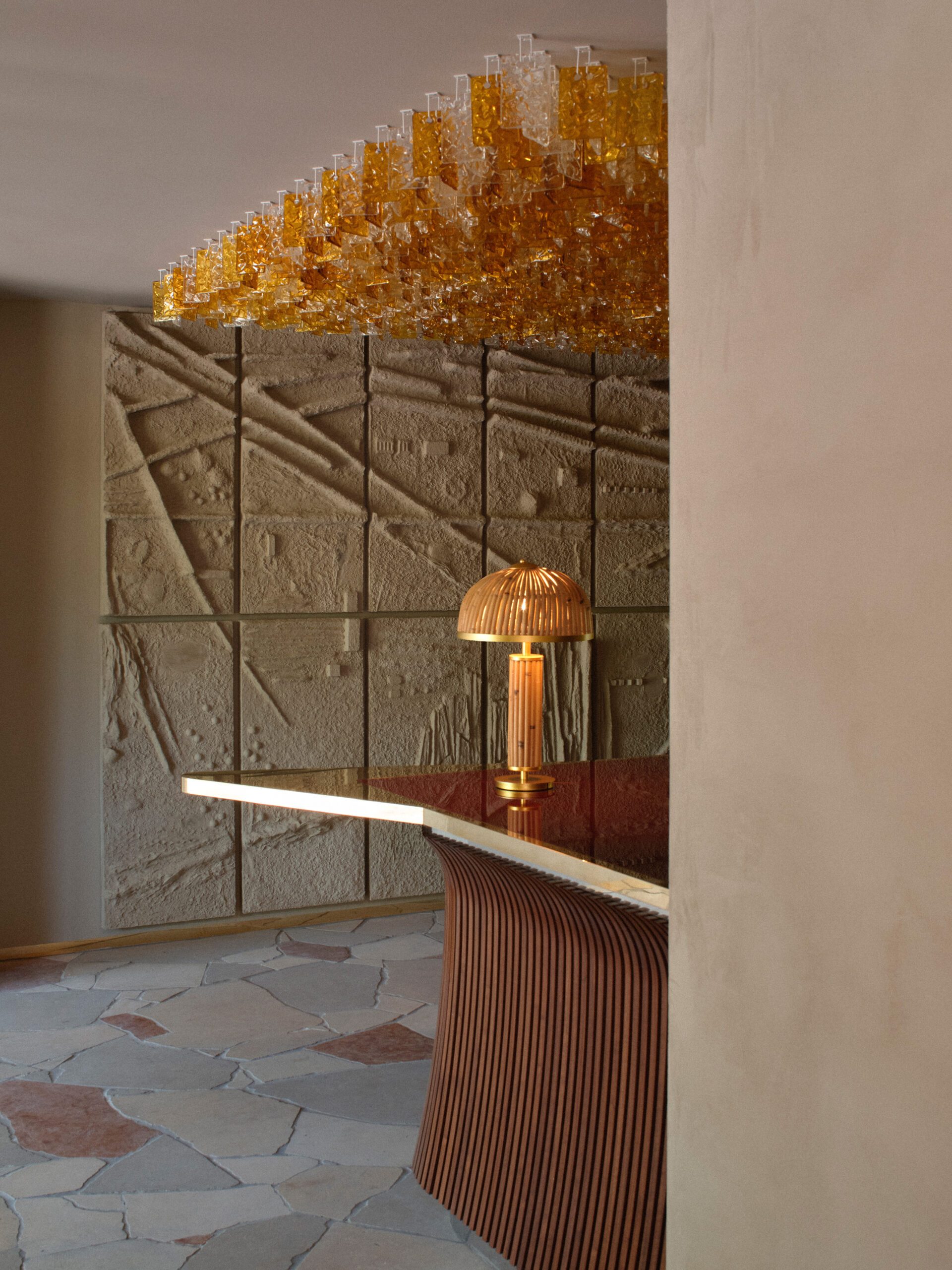
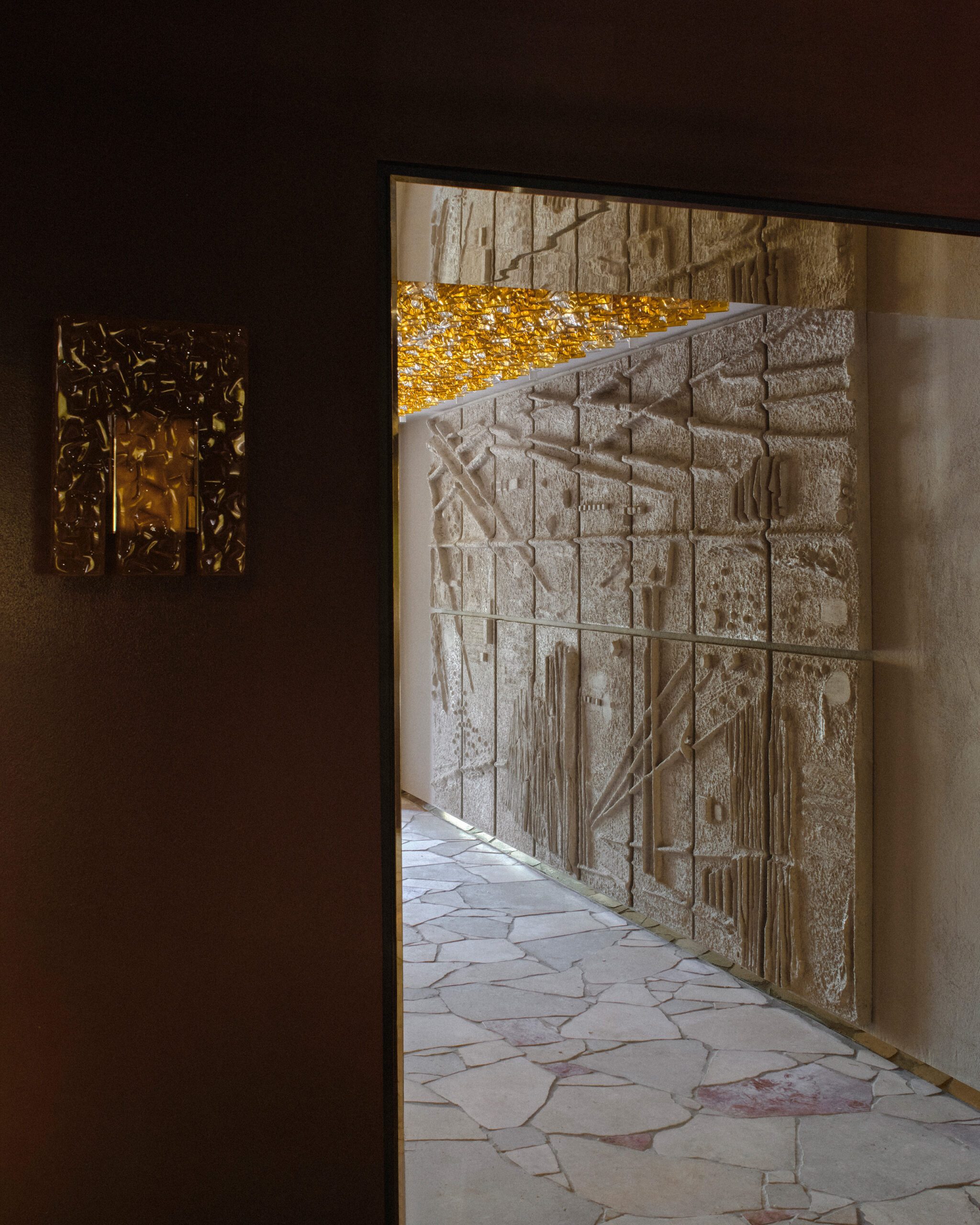
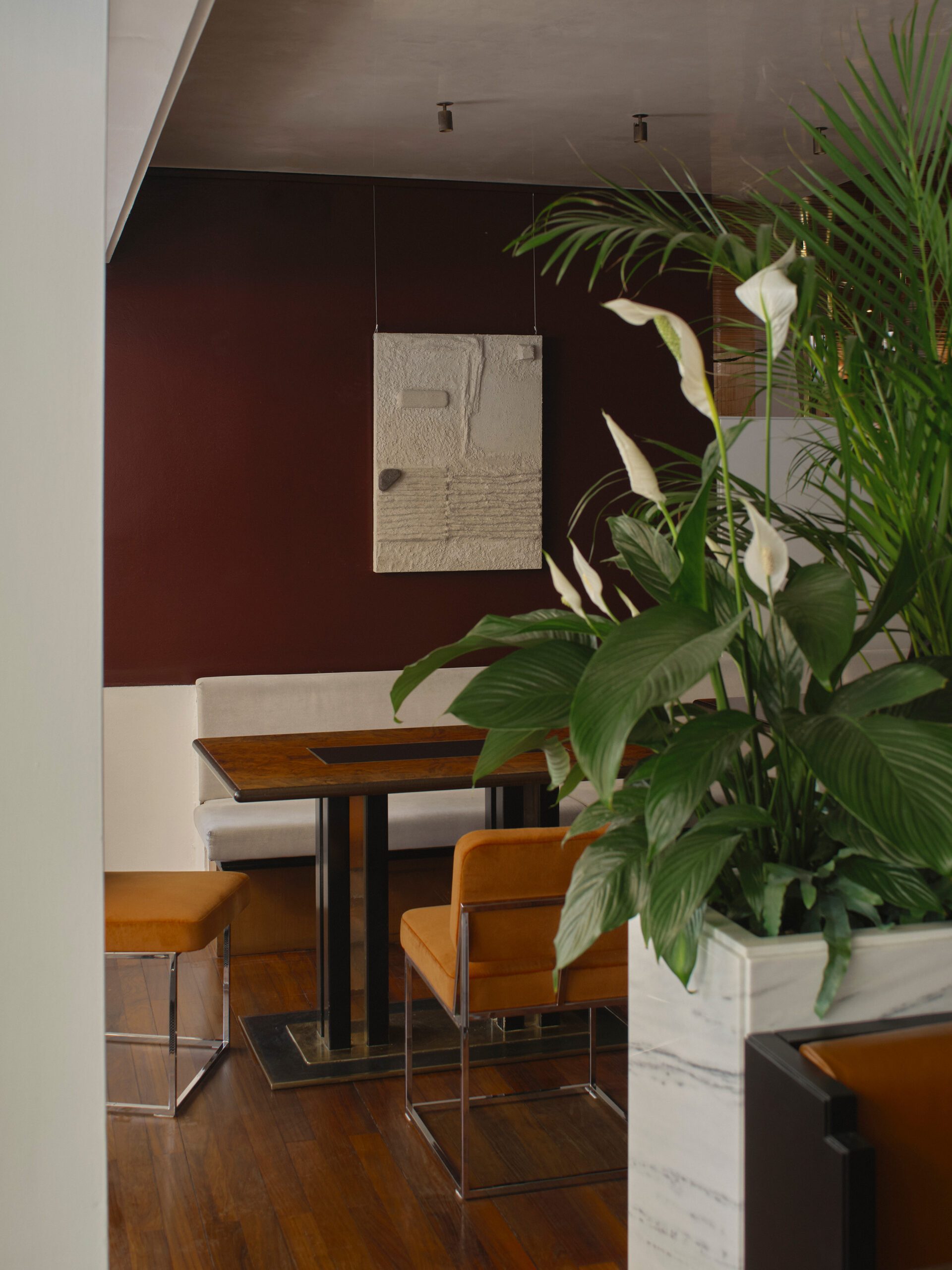
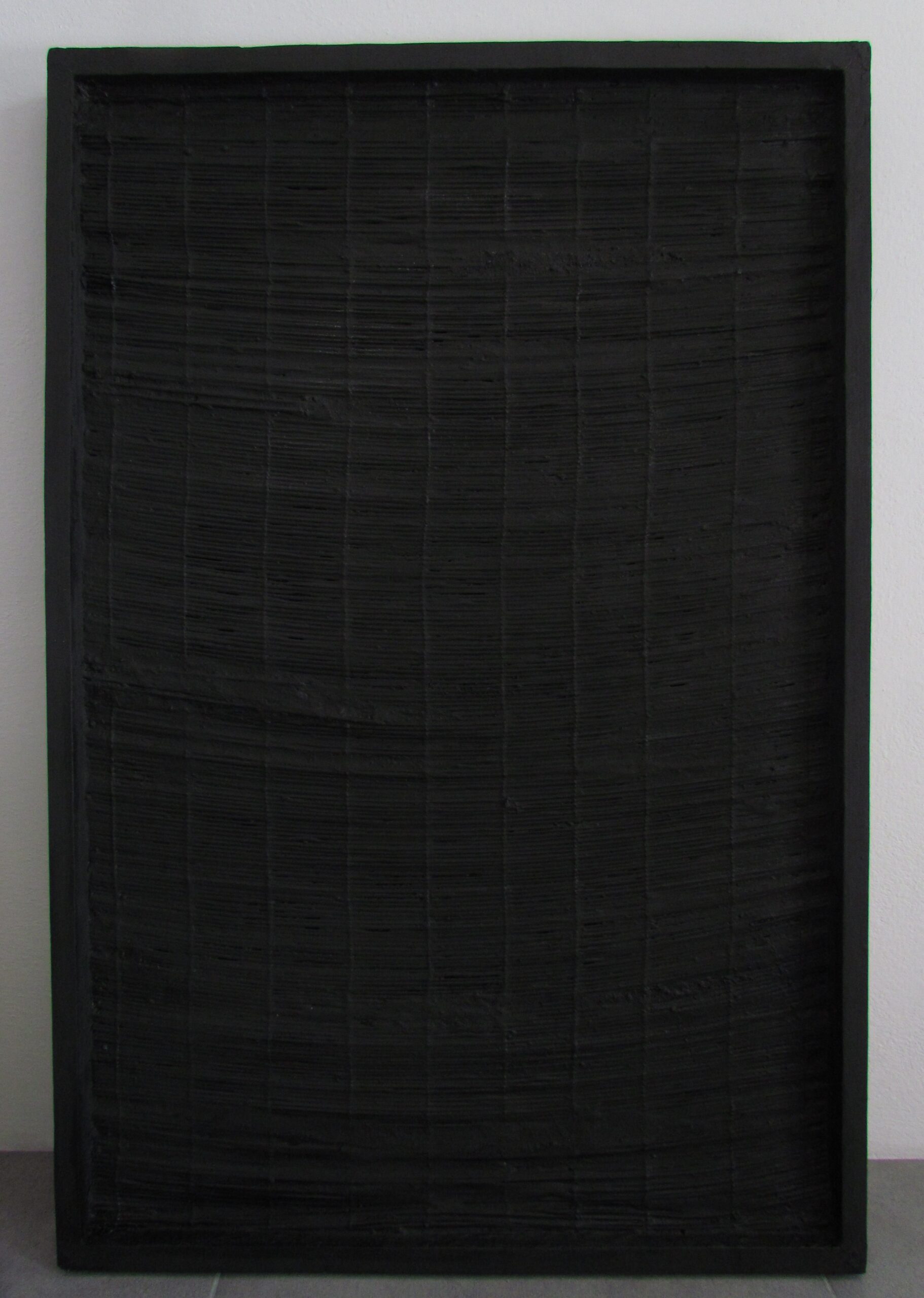
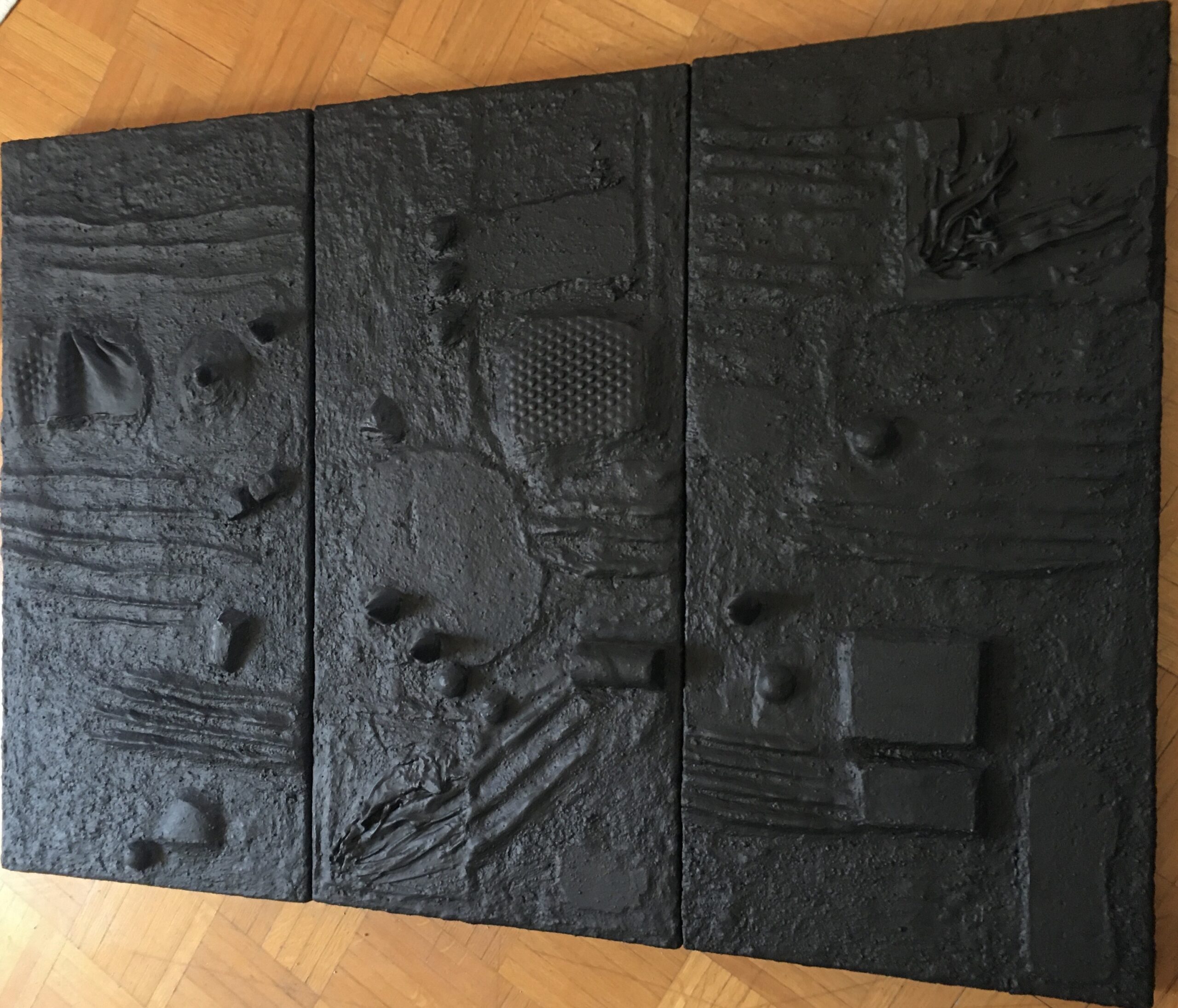
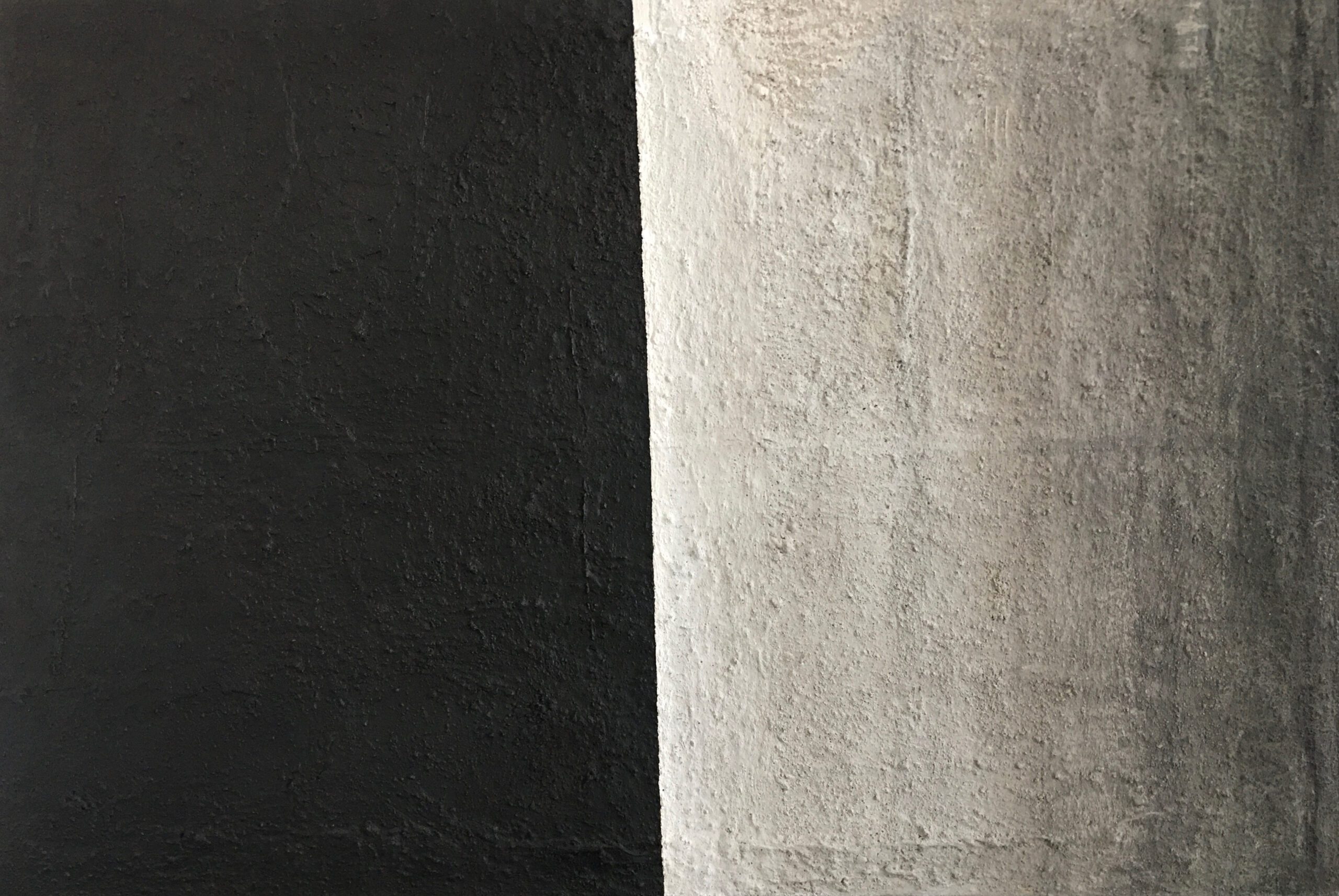
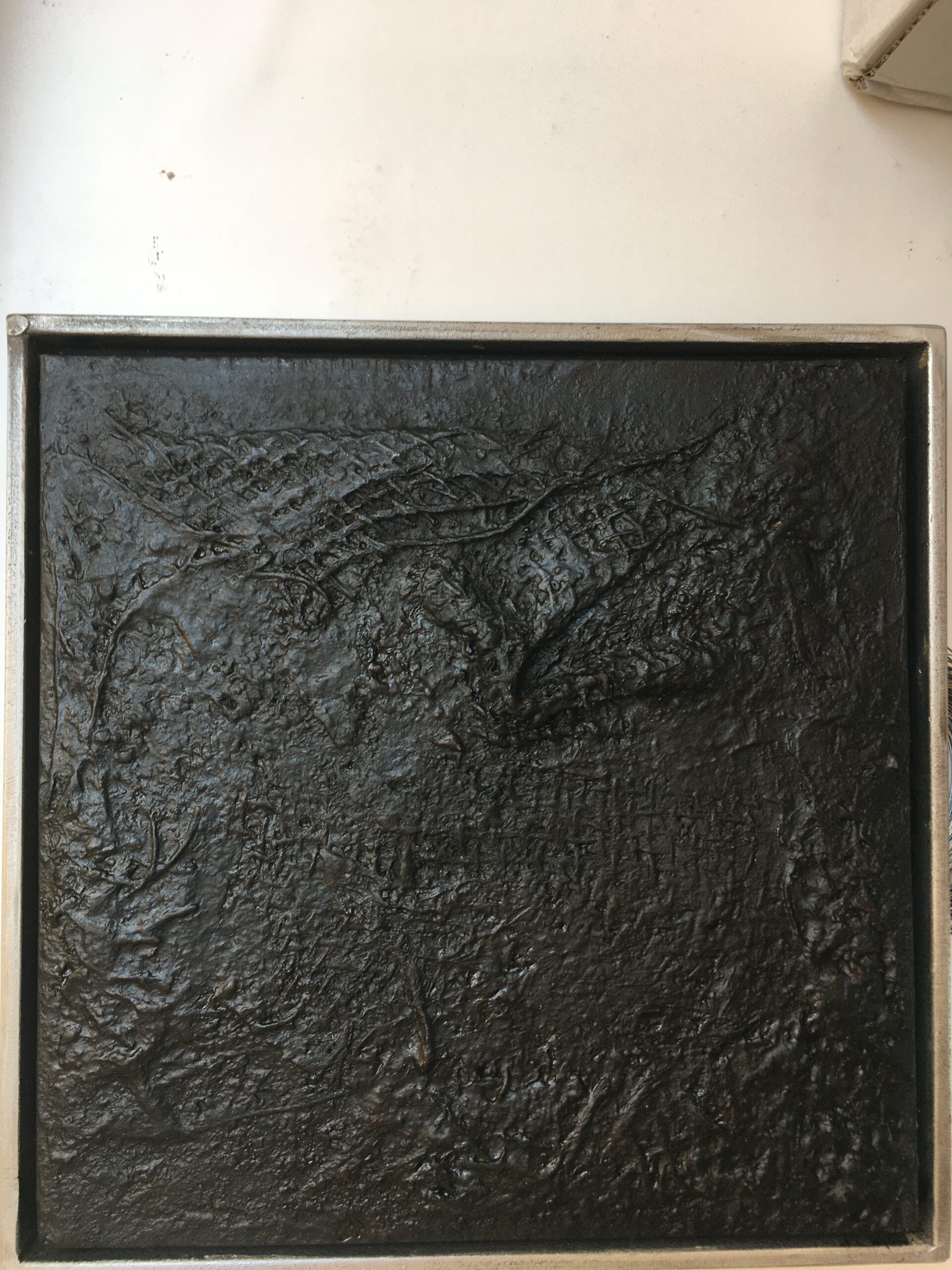
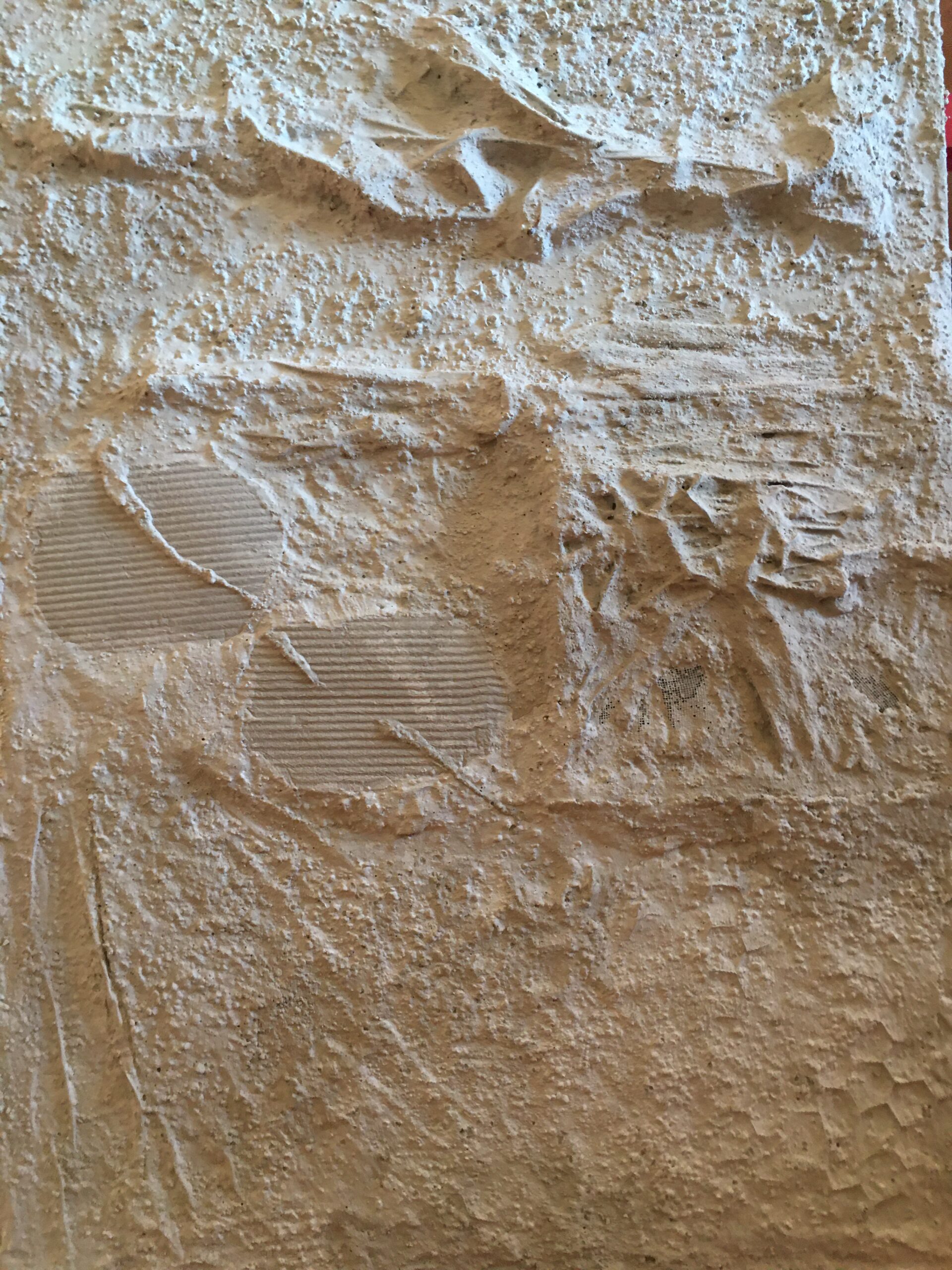
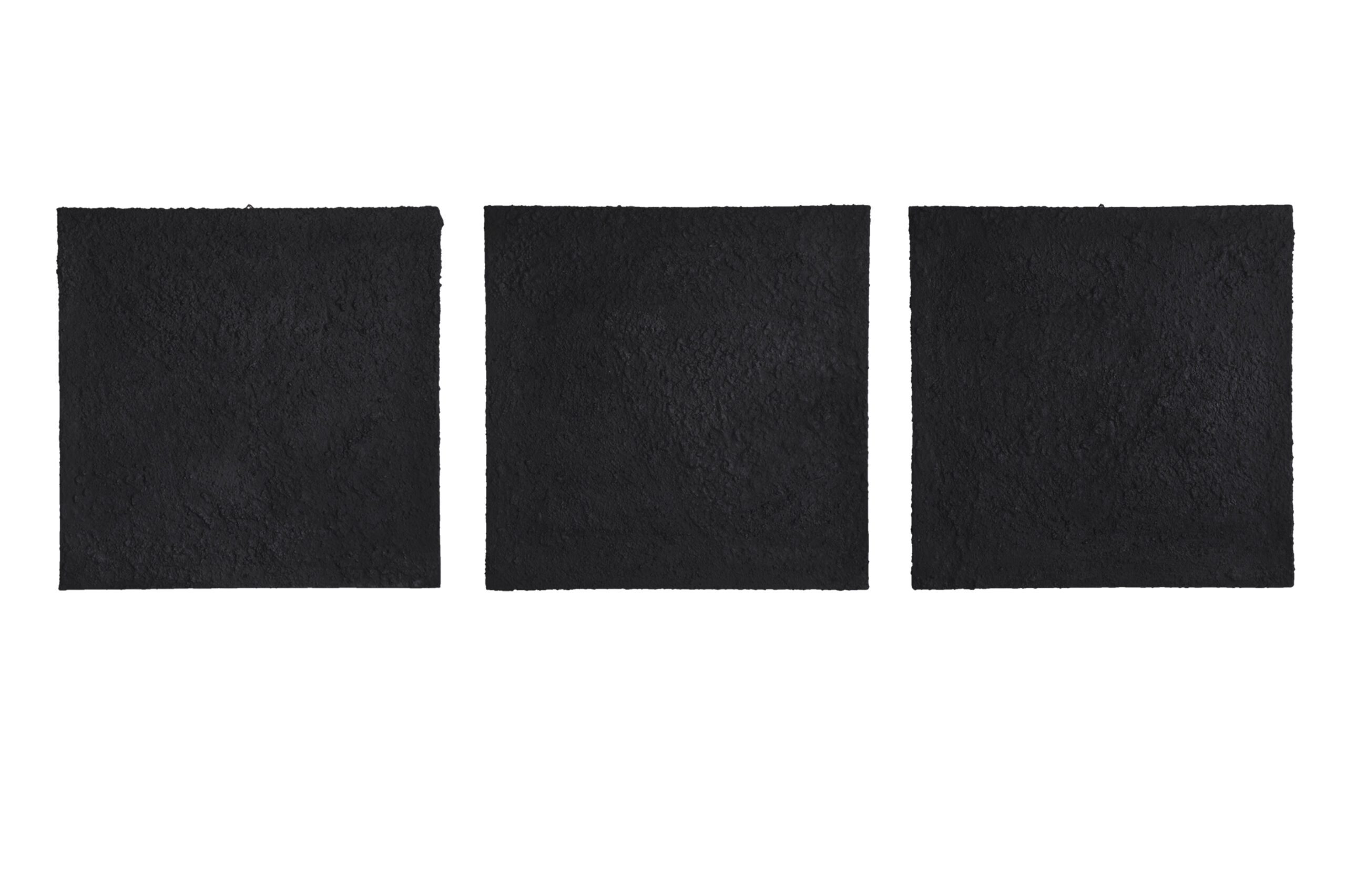
The work consists of sixteen individual panels, each standing on its own while also forming part of a larger whole. Each element is set in a wooden frame, which forms the constructive base. Built up on this is a layered structure of concrete, which is modeled, compacted, and partially removed again. The central line running across all the panels reads as the horizon line. It structures the work, connects the individual elements, and anchors the composition on a visual plane oriented to human eye level.
The relief is not conceived as a surface but as a densification. Material is not shaped but exposed. The raw structure, the depth, the fractures recall geological processes — forces that act over time. Nature appears here not as an image but as a principle. The rock face is not a motif but a state. It stands for resistance, friction, and the necessary effort of the climb. Transformation does not happen linearly, but through pressure, erosion, and repeated action. Water, heat, and cold inscribe themselves into the surface, generating a visual language that is neither purely constructed nor random.
The horizon, in this, remains a promise. It opens the space beyond the material and stands for movement, expansion, and the possibility of shifting existing boundaries. The standards are set high — not as a limitation, but as a stance.
Between past and future a field of tension arises that is deliberately left unresolved. A quiet reference to Aurora — to the moment of transition, in which something begins without yet being fixed.
The work can be read from outside in. Or the reverse. At its innermost point lies the first impulse — ungraspable, still without clear form. Sketches and drafts are approximations of this moment. Only in the movement outward does the idea take concrete shape. The first intervention, the first mark in the material, marks the point where intuition passes into form. Here the work begins. The horizon, then, is not a boundary but a displacement — a state between what has been and what becomes possible. A space in which experience, memory and projection overlap.
What withdraws from our gaze, even as we try to grasp it? Perhaps the answer lies exactly where the horizon runs — along a line that is none.
About Carte Blanche
This space is dedicated to showcasing contemporary artistic perspectives, offering both local and international artists the opportunity to exhibit their work through a hybrid format: an online virtual gallery alongside a physical exhibition space located within Aurora.

Latest artists
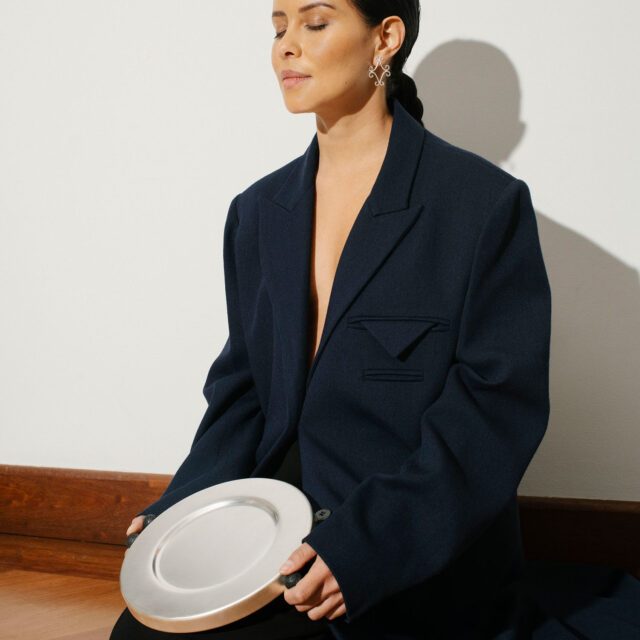
Natalia Criado
October 2026
Carte Blanche · Natalia Criado
25 November 2026
Colombian roots meet Italian craftsmanship. Discover the sculptural world of Natalia Criado and a new creation conceived exclusively for Aurora.
Coming soon.
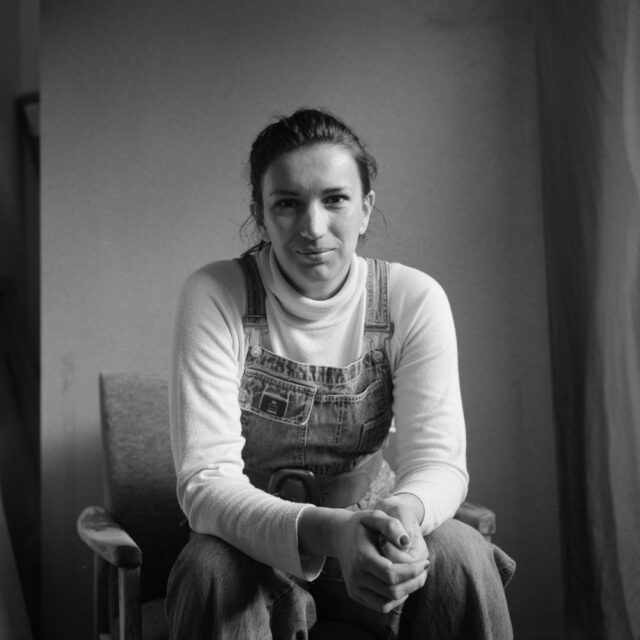
Sophie Eymond
Art | April 2026
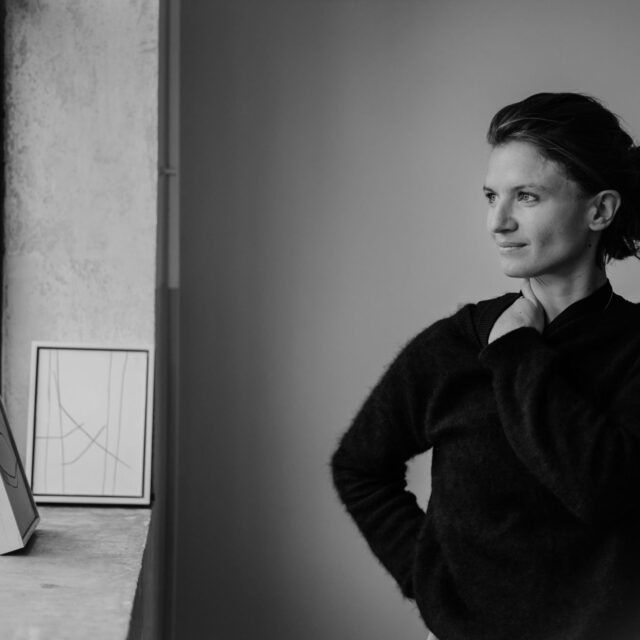
Mirijam Heiler
Art | June 2025
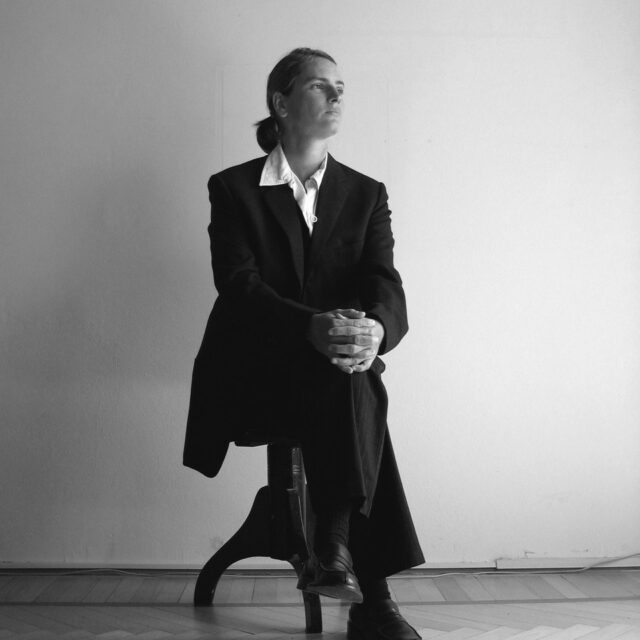
Julia Bornefeld
Art | January 2025
Karin Schmuck
Art | September 2024
Leander Schwazer
Art | April 2024
Simon Iurino
Art | October 2023
Max Brenner
Art | June 2023
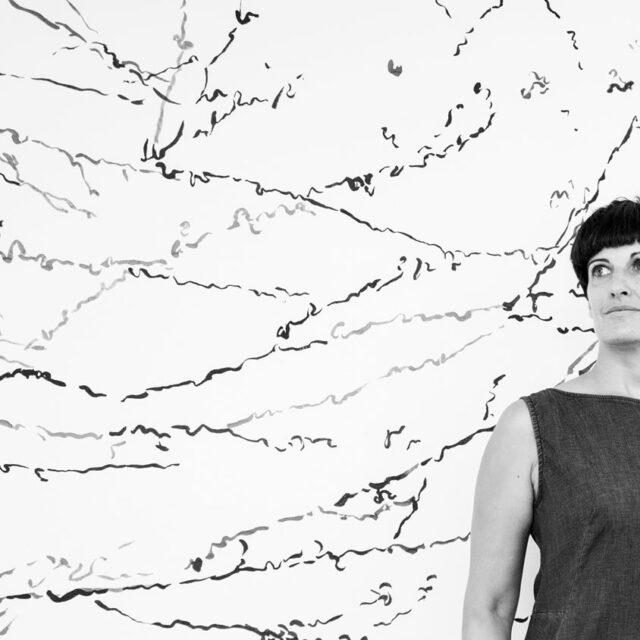
Petra Polli
Art | October 2022
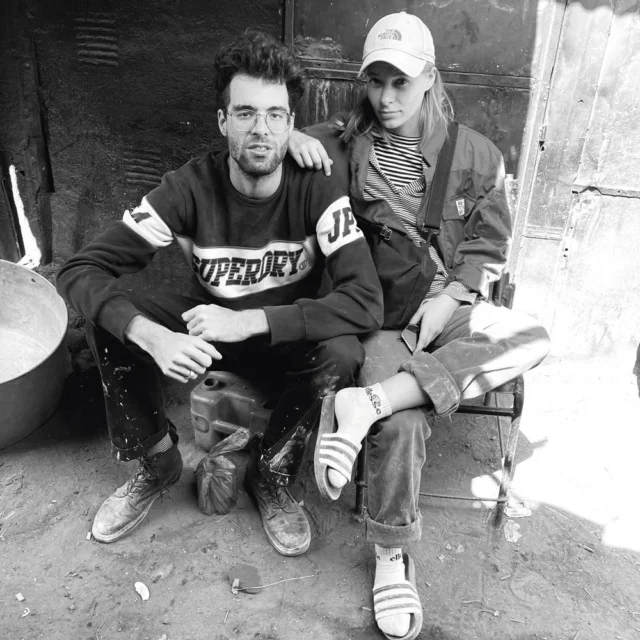
Mischa Sanders & Philipp Putzer
Art | July 2022
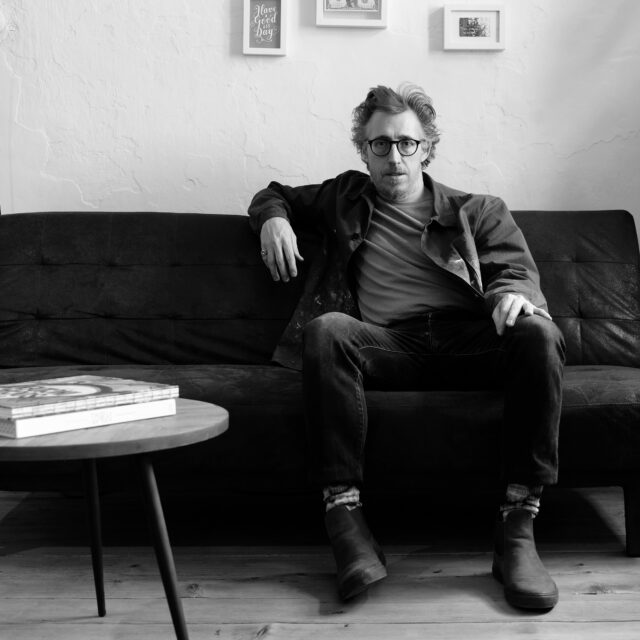
Philipp Klammsteiner
Art | July 2022
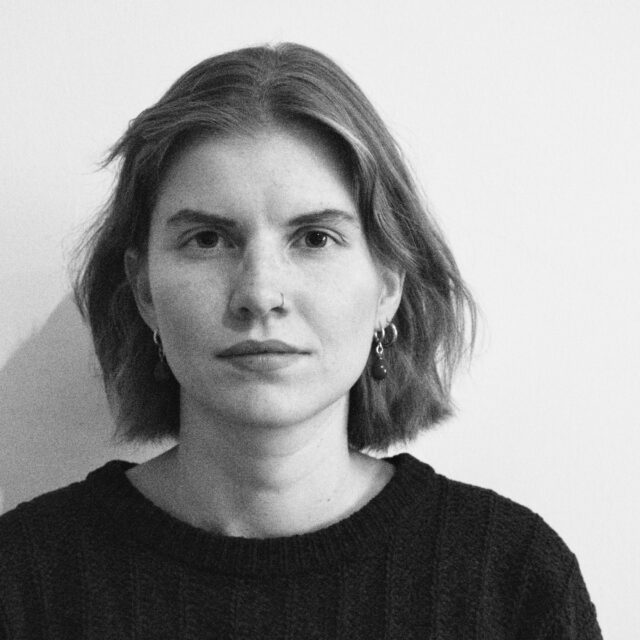
Susanne Burchia
Art | April 2022
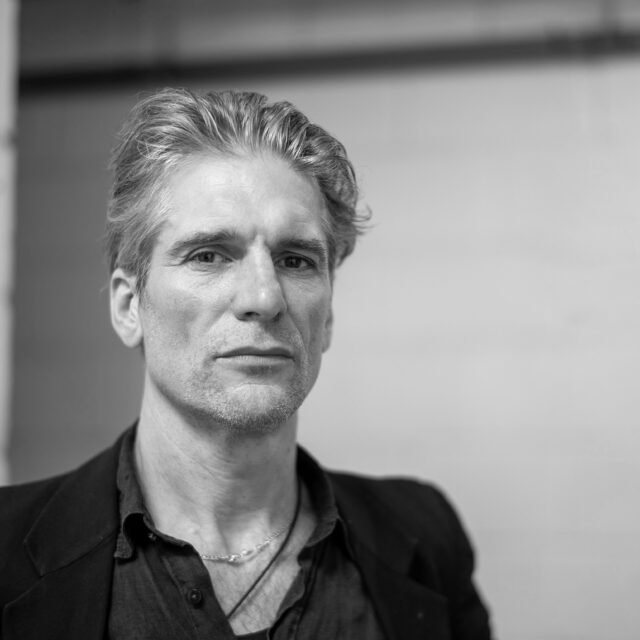
Felix Friedmann
Art | November 2021
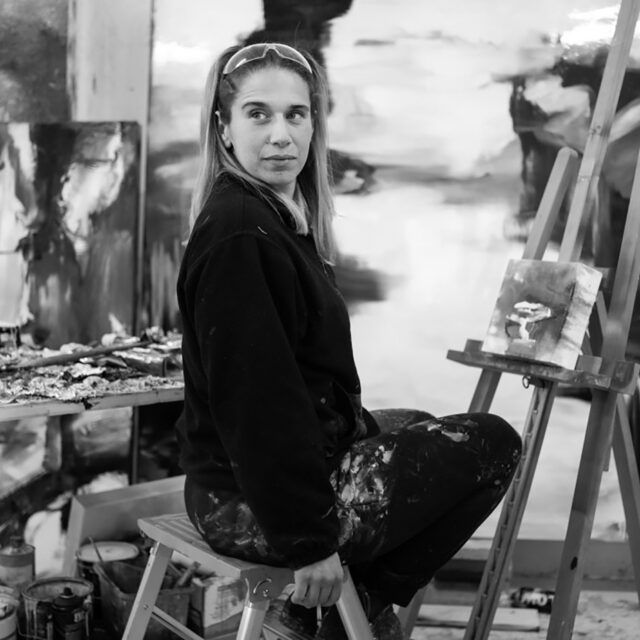
Elisa Grezzani
Art | June 2021
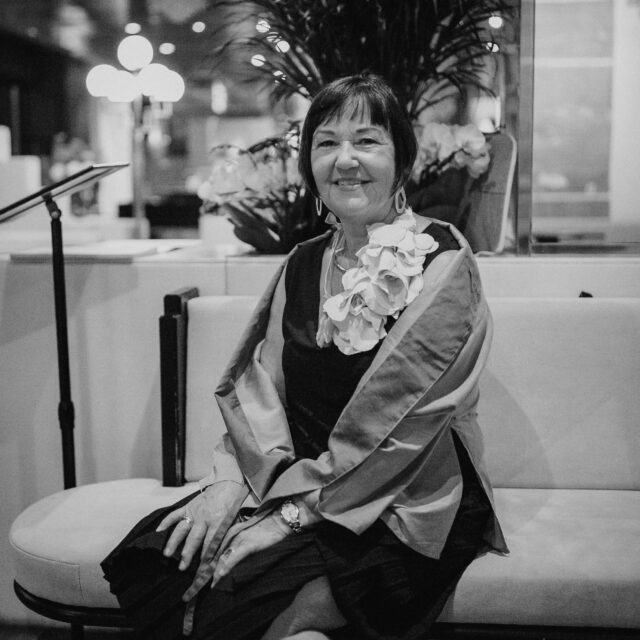
Elisabeth Oberrauch
Art | August 2020